


The Dream Is Real, But So Are the Details
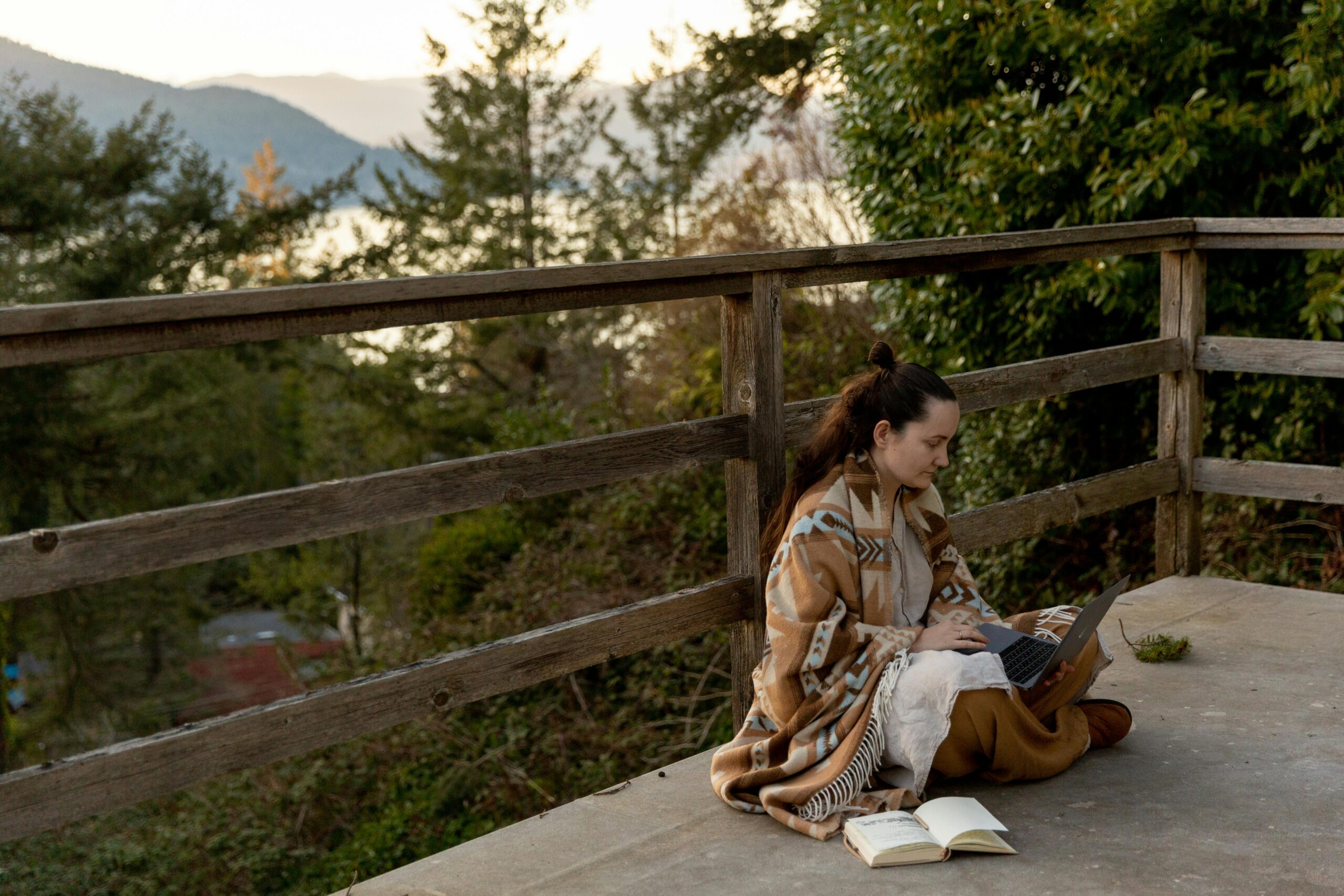
At some point, a lot of people discover they can work from anywhere and immediately start imagining themselves on a deck in the mountains, laptop open, coffee in hand, trees everywhere. Lake Arrowhead shows up in that fantasy pretty often. And honestly? It holds up. But there are things worth knowing before you make the leap, especially if you’re used to the infrastructure of city life and assume the mountains will just quietly accommodate your Zoom schedule.
They mostly will. With some caveats.
Internet: Better Than You’d Expect, Not Always Perfect
This is the first question everyone asks, and the answer is genuinely good news for most of the area. Spectrum cable internet is available throughout much of Lake Arrowhead, and speeds are generally solid enough for video calls, large file transfers, and the kind of multi-tab chaos that comes with actually working.
That said, service is not identical everywhere. Connectivity can vary street by street depending on where you are in the mountains, and some of the more remote cabins and parcels are working with older infrastructure or limited options. If you’re buying or renting specifically to work remotely, confirm the provider and actual speeds at that address before you commit. Not the listed maximum. The real number.
Power outages happen here, more than in most suburban neighborhoods. A windstorm rolls through, a tree takes out a line, and suddenly your afternoon is offline whether you planned for it or not. A UPS battery backup for your router and a charged laptop battery buys you a couple of hours. A cellular backup, whether a hotspot plan or a dedicated device, is worth having if your work can’t absorb unexpected gaps.
The Rhythm of a Mountain Workday
One of the things that surprises people most is how well the mountain actually suits a work routine. There’s a quietness here that’s hard to manufacture elsewhere. The trees absorb a lot. Neighbors aren’t on top of each other. The kinds of ambient noise that grind on you in a city or suburb, traffic, leaf blowers at 7am, someone’s bass from a parking lot, just aren’t part of the texture of a day up here.
What you get instead is a particular kind of focus. Mornings especially. There’s something about sitting down to work when you’re surrounded by forest rather than facing a wall of urban density that makes the first few hours of the day feel different. Quieter in the head, not just in the ears.
Lunch breaks have a different quality too. Taking a neighborhood walk amongst the pines clears your head without turning into a half-day commitment. These are the kinds of small rhythms that accumulate into something that actually feels sustainable, not just scenic.
What Winter Looks Like When You’re Working Through It
Remote workers who move up here in the summer sometimes have a reckoning come January. Winter is gorgeous, and it’s also demanding in a way that requires some preparation and a good sense of humor.
Snow days in the city mean you work from home. Snow days in Lake Arrowhead mean you were already home, but now you might not be able to leave for a day or two, and there’s a reasonable chance the tourists who drove up to see the snow are blocking the highway because someone decided the side of the road was a good place to build a snowman. It’s a genuine local frustration, and it’s worth knowing it happens several times a season.
Keeping your car stocked with chains or having good snow tires is not optional if you need to get somewhere reliably in winter. Grocery runs are something you start thinking about proactively, a day or two before a storm, not the morning of. That mental shift happens naturally after your first season, but the first season teaches it to you the hard way.
For a more complete picture of what winter actually involves up here, living in Lake Arrowhead in winter covers the seasonal realities in more depth.
Getting Things Delivered (Because You Will Need Things)
One practical note that catches people off guard: USPS cannot deliver directly to many homes in Lake Arrowhead. If you’re ordering anything work-related, equipment, supplies, whatever, you’ll want to confirm it’s shipping via UPS or FedEx, both of which do deliver to the mountain. Alternatively, a P.O. box at the local post office handles your USPS mail.
It’s a small logistical adjustment, but if you’re ordering a monitor or a replacement keyboard on a deadline, finding out at the last minute that your package is sitting at a distribution center because USPS couldn’t deliver it is an avoidable headache.
Where to Go When You Need to Get Out of the House
Working from home works, until it doesn’t. Cabin fever is real, especially in the depths of winter when you’ve been snowed in for a couple of days. Knowing your options ahead of time matters.
Though there are limited coffee options around, The Tea & Coffee Exchange in the village offers free wifi and a cozy atmosphere. My pick, LuluBelle’s Coffee House & Bakery in Running Springs, serves fabulous food and drinks and is a dedicated co-working space, a rare find in the area.
The Lake Arrowhead Branch Library in Blue Jay also offers public computers and wifi, which can be a backup option if you’re waiting on home service to be restored or just need a quiet place with a table.
The Part That’s Actually the Point
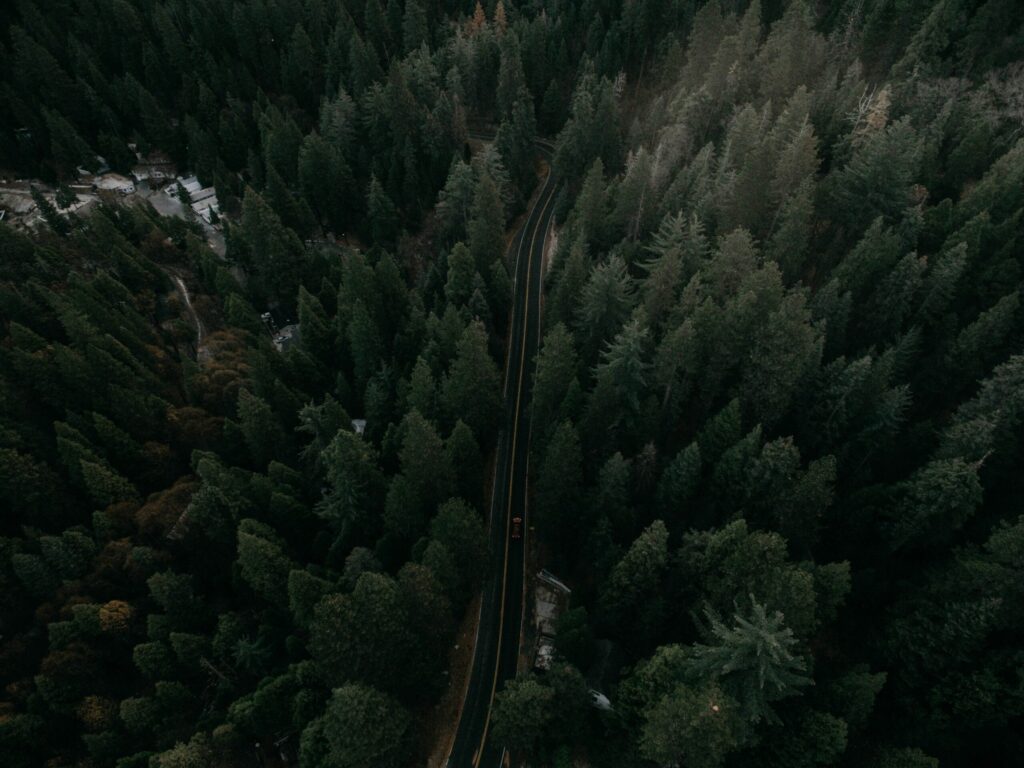
Here’s what doesn’t come through in the practical rundown: the seclusion is real, and it’s the thing that makes the rest of it worth figuring out. Being surrounded by trees on all sides, having the forest as your literal backdrop for the workday, that’s not a small thing. It changes how a day feels. It changes how the end of a workday feels. You close the laptop and you’re already somewhere you’d want to be.
For people who have been remote for a while and found themselves wondering what the point of the flexibility was if they were just doing it in a place they didn’t particularly love, that question tends to go quiet up here.
The infrastructure has quirks. You’ll learn them. The delivery situation is mildly annoying until it becomes second nature. The winters take some adjustment. But the trade, as daily trades go, is a pretty good one.
And if you’re still in the weighing-it-all-out phase, the honest pros and cons of living in Lake Arrowhead is worth a read before you start looking at listings.
Have questions about what day-to-day remote life looks like up here? Drop them in the comments.

Jill is a Lake Arrowhead homeowner who moved from Los Angeles in 2017. She writes about the real, practical side of mountain living, from snowstorms and power outages to fire season prep and daily life on the mountain. When she’s not writing, she’s hiking local trails, doing ceramics, or reading by the fire.

Leave a Reply