



If you’re considering living in Lake Arrowhead—or already own a home here—power outages are something you’ll need to be prepared for.
They’re not constant, but they do happen, especially during high winds, snowstorms, and wildfire season. The difference between a minor inconvenience and a major disruption often comes down to how prepared you are.
Here’s what you should realistically expect—and how locals handle it.
How Common Are Power Outages in Lake Arrowhead?
Power outages in Lake Arrowhead are occasional but expected.
Most residents will experience:
- A few short outages per year (a few hours)
- Occasional longer outages during storms
- Planned outages during wildfire season (called PSPS events)
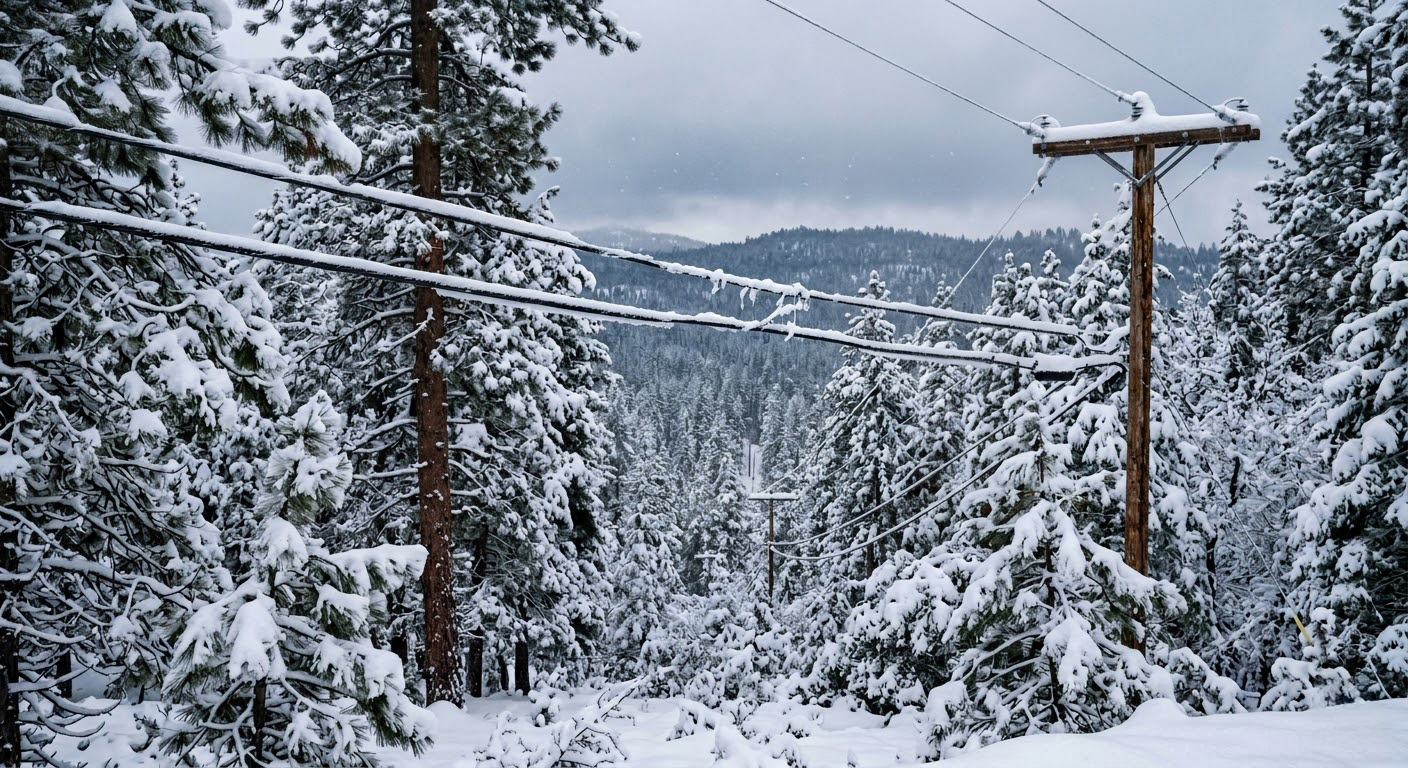
Because the area is heavily forested and located in the mountains, the electrical grid is more vulnerable than in urban areas.
The good news: outages are usually temporary—but you do need a plan.
What Causes Power Outages?
There are three main causes of outages in Lake Arrowhead:
1. Snow and Ice Storms
Heavy snow can weigh down tree branches, causing them to fall onto power lines.
Even if the roads are clear, power can still be affected in more wooded neighborhoods.
2. High Winds
Strong winds can knock down trees or debris into power lines.
This is especially common during seasonal wind events in the mountains.
3. Public Safety Power Shutoffs (PSPS)
During high fire risk conditions, utility companies may proactively shut off power to prevent wildfires.
These outages can last longer than storm-related outages and are more common in late summer and fall.
How Long Do Outages Typically Last?
This depends on the cause:
- Short outages: 1–4 hours
- Storm-related outages: Several hours to a full day
- PSPS events: 1–3 days (sometimes longer in extreme conditions)
Remote or heavily wooded areas may take longer to restore.
What It’s Actually Like During an Outage
If you’re used to city living, outages in Lake Arrowhead can feel different.
Here’s what locals experience:
- No heat if you rely on electric systems
- Limited cell service depending on your carrier
- Dark roads and neighborhoods at night
- Grocery stores and restaurants may close
In winter, outages can be more impactful because of cold temperatures.
This is why preparation matters.
How to Prepare for Power Outages
Most full-time residents take a few basic precautions that make outages much easier to handle.
1. Backup Power (Generator or Battery)
Many homeowners invest in:
- Portable generators
- Whole-house generators
- Battery backup systems
A generator can power essentials like:
- Refrigerator
- Heating systems
- Lights
- Internet (in some cases)
2. Keep Emergency Supplies on Hand
You’ll want to have:
- Flashlights and batteries
- Portable phone chargers
- Bottled water
- Non-perishable food
- Blankets
Think in terms of being comfortable for 24–72 hours without power.
3. Plan for Heating
If your home relies on electricity for heat, this is critical.
Options include:
- Gas or propane fireplaces
- Wood-burning stoves
- Extra blankets and layers
4. Maintain Your Property
Preventative maintenance can reduce risk:
- Trim trees near your home
- Clear branches after storms
- Keep access routes open
This also helps with wildfire safety.
5. Know Your Neighborhood
Some areas lose power more frequently than others.
When buying a home, it’s worth asking:
- How often does power go out here?
- How long does it usually last?
This is just as important as understanding Cost of Living in Lake Arrowhead, California.
Do You Need a Generator?
This is one of the most common questions.
The honest answer:
If you live here full-time, it’s highly recommended.
You may not use it often—but when you need it, you’ll be glad you have it.
For part-time homeowners, it’s still worth considering, especially if:
- You visit during winter
- You rent your home out
- You want to prevent frozen pipes
Power Outages vs Daily Life
For most residents, outages become something you’re simply prepared for—not something that disrupts your lifestyle.
It’s similar to adjusting to:
- Winter driving
- Grocery planning
- Slower services
(You can read more about that in Driving and Traffic in Lake Arrowhead.)
Once you’re set up, outages are just part of mountain living—not a dealbreaker.
Final Thoughts
Power outages in Lake Arrowhead are a reality—but they’re manageable with the right preparation.
If anything, they’re part of what comes with living in a more natural, forested environment. The tradeoff is quieter surroundings, beautiful scenery, and a slower pace of life.
As long as you go in with realistic expectations and a simple plan, outages don’t have to be a major concern—they just become part of the rhythm of living in the mountains.

Jill is a Lake Arrowhead homeowner who moved from Los Angeles in 2017. She writes about the real, practical side of mountain living, from snowstorms and power outages to fire season prep and daily life on the mountain. When she’s not writing, she’s hiking local trails, doing ceramics, or reading by the fire.

Leave a Reply