



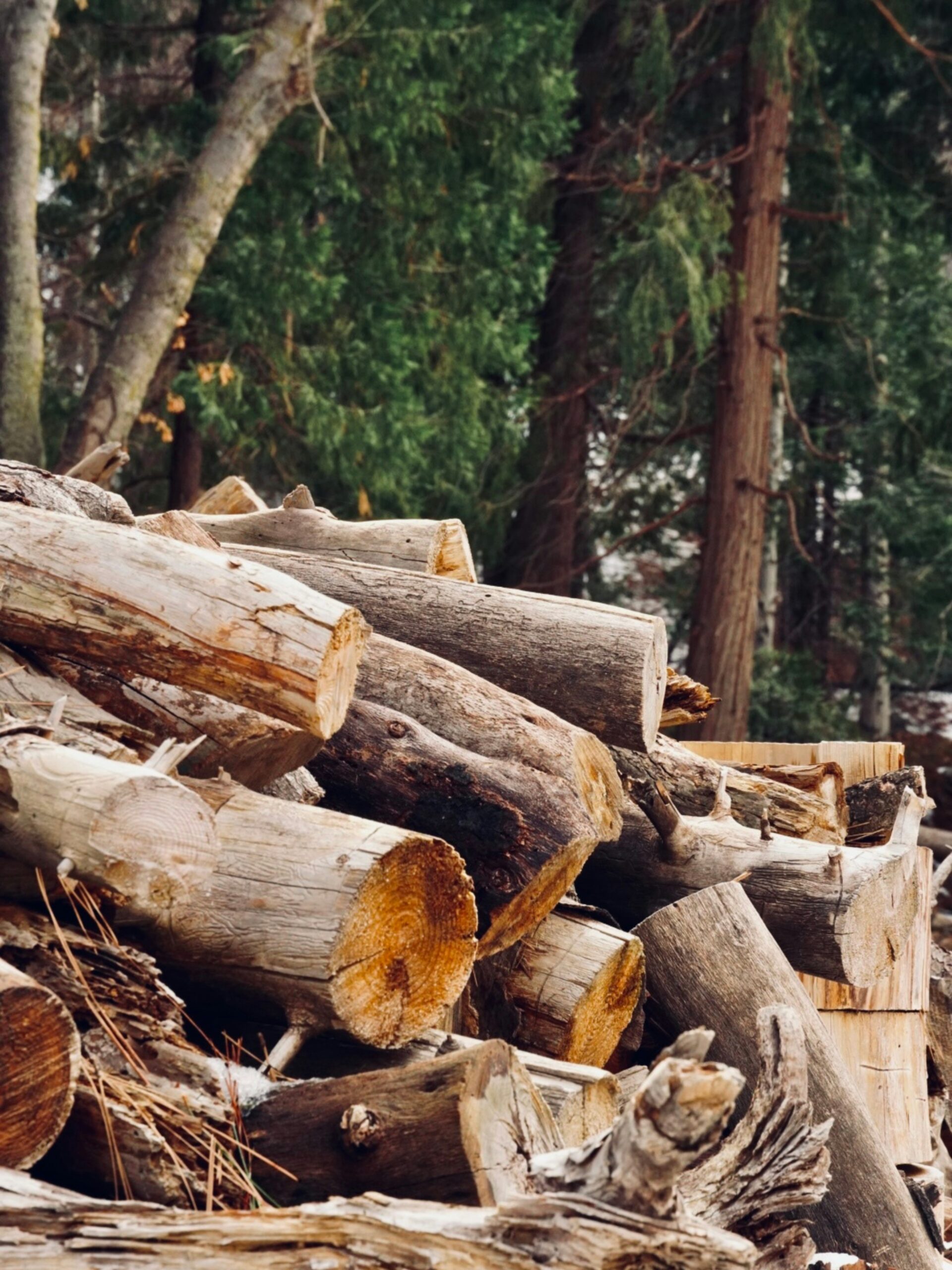
Emergency preparedness in Lake Arrowhead looks different than it does in the city.
For full-time residents, it’s less about extreme survival scenarios and more about being comfortable, informed, and steady when weather, power, or access issues arise. Most preparation is quiet and practical, built into daily life rather than pulled out in a panic.
This guide outlines what residents actually plan for and what tends to matter most over time.
Weather Is the Primary Trigger
Most emergency situations in Lake Arrowhead are weather-related.
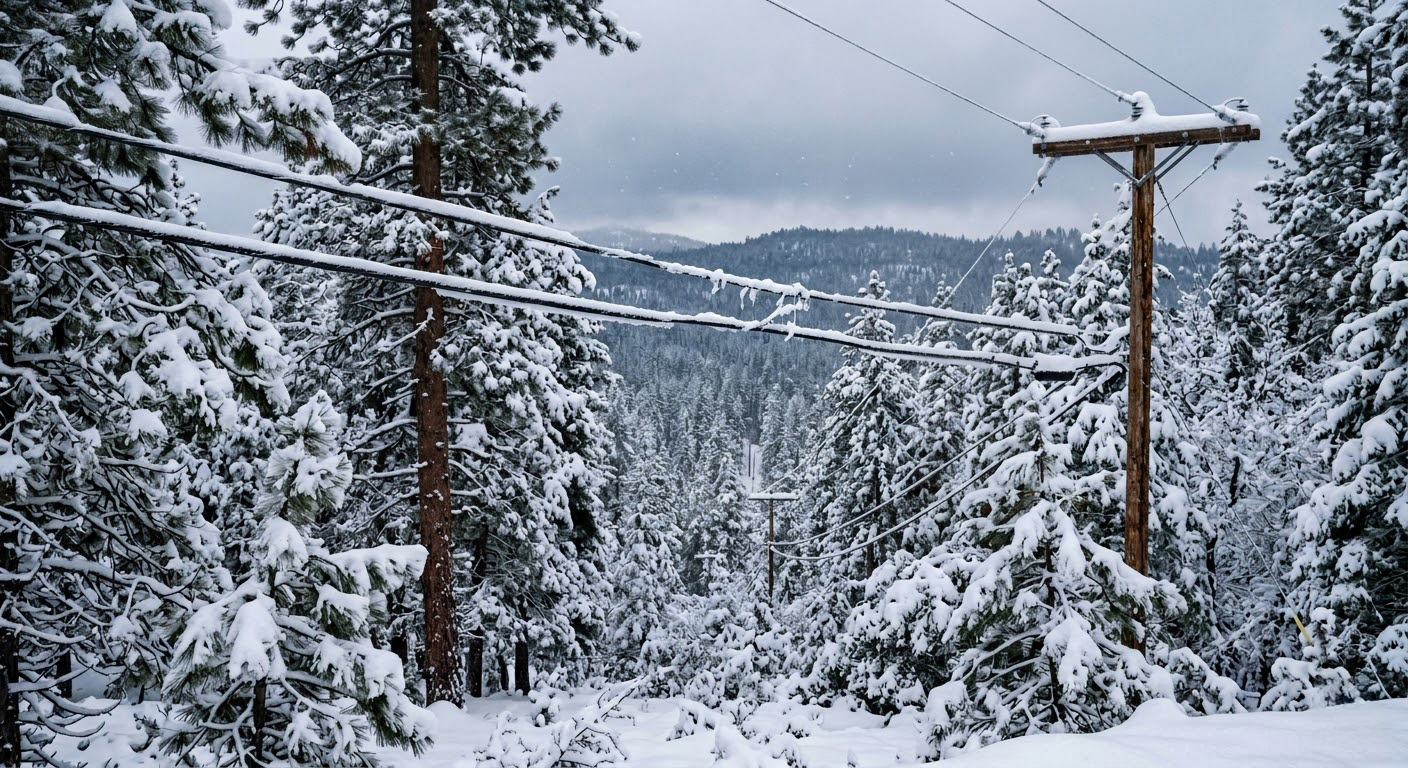
Winter storms, heavy snow, ice, and occasional wind events can affect roads, power, and internet access. Preparation often overlaps with lessons learned from winter preparation in Lake Arrowhead and evolves as residents gain experience.
Power Outages Are Expected, Not Rare
Outages happen, especially during winter storms.
For many residents, emergency planning begins with understanding how their home functions without power. This includes lighting, heating, refrigeration, and communication.
Many households keep a few simple backup items on hand, such as battery-powered lanterns for shared spaces and small power banks to keep phones charged.
Solutions often align with setups discussed in backup power setups used in Lake Arrowhead, where preparation focuses on maintaining comfort rather than full-home operation.
Communication Matters More Than Supplies
Staying informed is often more important than stocking excess gear.
Residents prioritize:
- Charged phones and backup batteries
- Reliable Wi-Fi calling
- Access to local alerts and road updates
- Knowing which neighbors to check in with
Headlamps and compact battery lights are commonly used during outages so hands stay free while moving around the house.
This connects closely with experiences outlined in internet and cell service in Lake Arrowhead, especially during storms.
Food and Water Planning Is Simple and Flexible
Emergency food planning tends to be modest.
Most households keep a few days of easy meals, snacks, and water on hand rather than long-term stockpiles. The goal is convenience and calm, not isolation.
This approach fits naturally into the rhythm of living in Lake Arrowhead year-round.
Access Can Change Quickly
Road access is one of the biggest variables during emergencies.
Snow, fallen trees, or icy conditions can limit travel temporarily. Residents often plan errands ahead of storms and avoid unnecessary trips during peak weather.
This reality ties into discussions around the pros and cons of living in Lake Arrowhead full-time, especially for those who commute.
Heating Awareness Is Critical
Understanding your heating system matters.
Residents know what type of heat their home uses, how it functions during outages, and whether alternative heat sources are available. Fireplaces, propane systems, and space heaters are common considerations.
Heating preparation overlaps with costs discussed in the cost of living in Lake Arrowhead.
Emergency Planning Is Personal, Not One-Size-Fits-All
Every household’s plan looks slightly different.
Factors like work flexibility, pets, health needs, and home layout all influence preparation choices. What matters most is having a plan that feels realistic and manageable.
Preparedness Becomes Second Nature Over Time
Most residents don’t think of themselves as constantly preparing.
With experience, small habits form. Devices stay charged. Supplies are restocked casually. Storm forecasts prompt minor adjustments rather than stress.
This mindset is a defining part of winter living in Lake Arrowhead.
Final Thoughts
Emergency preparedness in Lake Arrowhead is about steadiness, not fear.
When expectations match reality and preparation fits your lifestyle, most situations feel manageable. Residents who plan calmly tend to experience fewer disruptions and more confidence when conditions change.
More owner-focused guides coming soon, including driving in winter, utility expectations, and long-term mountain living strategies.

Jill is a Lake Arrowhead homeowner who moved from Los Angeles in 2017. She writes about the real, practical side of mountain living, from snowstorms and power outages to fire season prep and daily life on the mountain. When she’s not writing, she’s hiking local trails, doing ceramics, or reading by the fire.

Leave a Reply