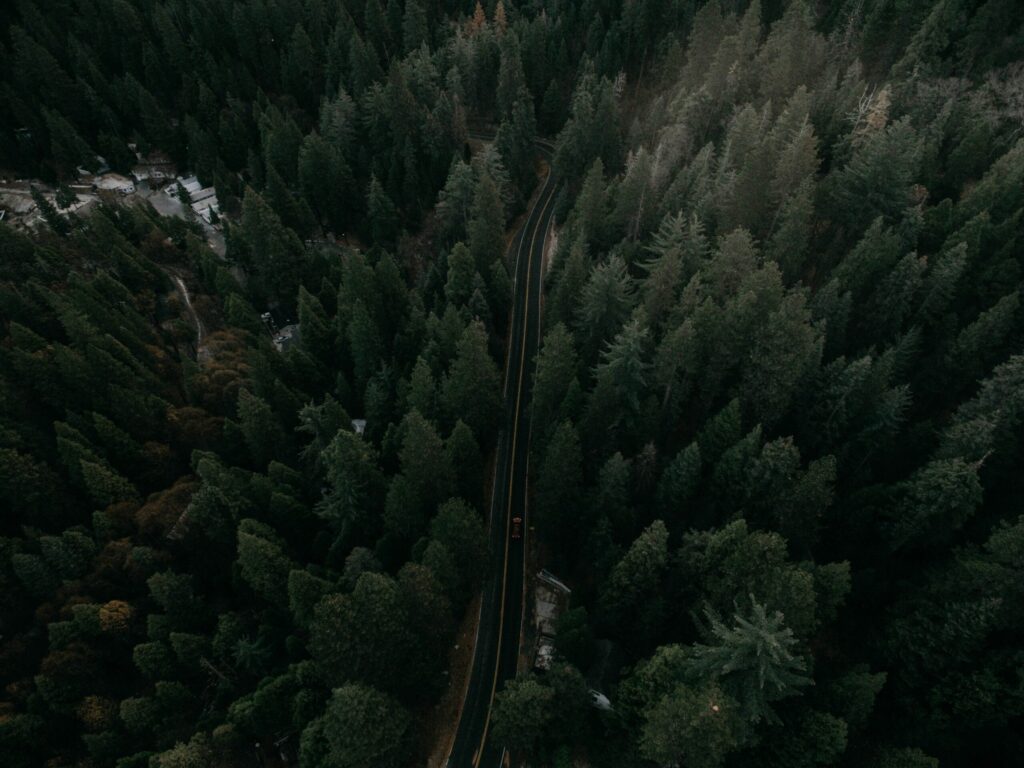




What It’s Really Like Driving in Lake Arrowhead
Driving in Lake Arrowhead is very different from driving in Los Angeles or the Inland Empire.
The roads are narrow, steep, and winding. Winter conditions can change quickly. And some residential streets are not maintained the same way major highways are.
Whether you’re visiting for the weekend or considering living here full-time, here’s what you should realistically expect when driving in Lake Arrowhead.
The Mountain Drive Up: What to Expect
Most visitors reach Lake Arrowhead via Highway 18 (Rim of the World Highway).
After passing through San Bernardino and climbing the mountain, you’ll encounter long stretches of curves and elevation gain. The most well-known section is “The Narrows.”
The Narrows on Highway 18
The Narrows begin near Crestline and continue along a two-lane stretch of Highway 18.
There is one lane in each direction with limited shoulder space. The road hugs the mountain, and in some areas there are steep drop-offs.
Important things to know:
- There is no passing lane in this stretch.
- Slower vehicles should use turnouts when available.
- Stay to the right and allow faster traffic to pass when safe.
- During storms, this area can become icy before other sections of the highway.
Patience is essential here. Aggressive driving on this stretch is dangerous.
Two-Lane Roads and Mountain Driving Etiquette
Much of Lake Arrowhead consists of two-lane roads with tight curves and limited visibility.
Best practices:
- Stay to the right at all times.
- Slow down before blind curves.
- Do not cross the center line.
- Expect cyclists and pedestrians, especially in warmer months.
Mountain driving requires defensive awareness. Speed limits are lower for a reason.
Snow and Winter Driving Conditions
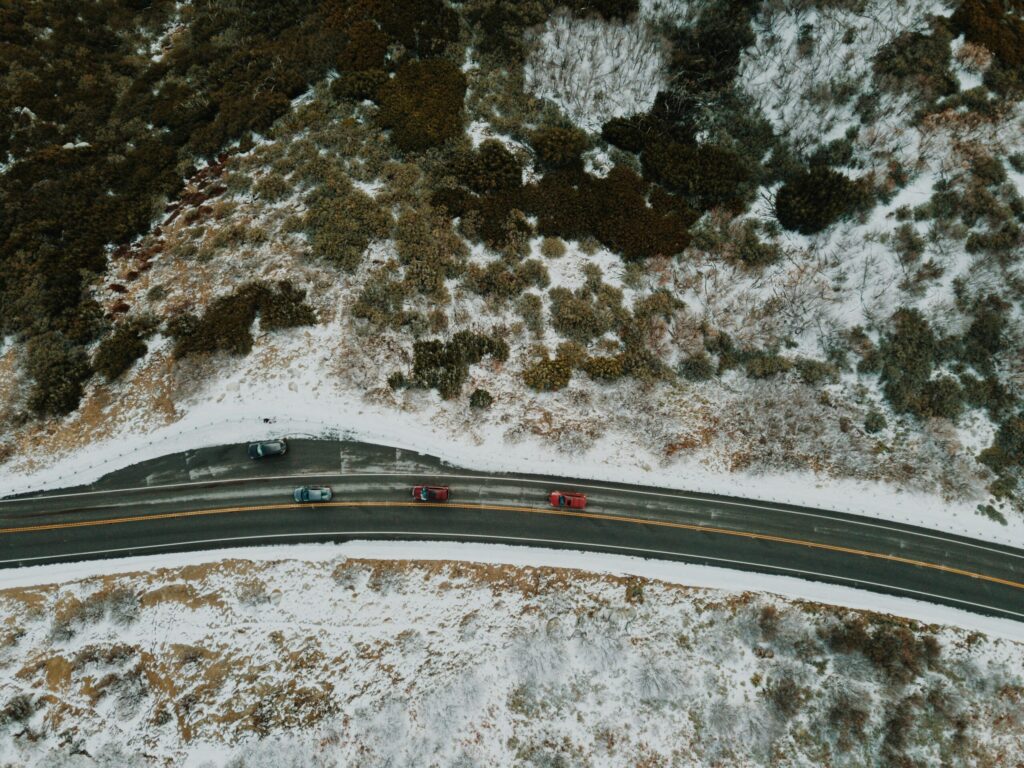
Winter in Lake Arrowhead typically runs from December through March.
If you’re visiting during winter, review:
Snow can arrive suddenly and accumulate quickly, especially at elevations above 5,000 feet.
Chain Controls
During snowstorms, Caltrans may implement chain controls on Highway 18 and surrounding roads.
You should:
- Carry properly sized tire chains if snow is forecast.
- Know how to install them before arriving.
- Bring gloves and something waterproof to kneel on when installing chains.
- Carry a small shovel in case you need to dig out around your tires.
Do not assume your vehicle’s all-wheel drive system replaces the need for chains. When chain controls are active, compliance is mandatory unless specifically exempt. winter access to your specific neighborhood matters more than the main highway conditions.
Snow Socks vs. Chains
Snow socks may provide limited traction in light snow at low speeds. However, they are not a substitute for properly fitted tire chains during heavy snow or icy conditions.
For reliable winter traction:
Do not rely solely on temporary traction devices for steep or icy roads.
Use chains that meet Caltrans requirements.
Consider winter-rated tires if you drive here regularly.
Main Highways vs. Residential Roads
Highway 18 is typically plowed and maintained during winter storms.
However, many residential streets and access roads:
- May not be plowed immediately.
- May be steep and narrow.
- Can remain icy longer, especially in shaded areas.
- May be unpaved in some locations.
If you are renting a cabin, confirm whether the driveway and access road are maintained during snow events. Some properties are located on private or minimally serviced roads.
North-facing streets and shaded areas can remain icy well after a storm passes.
Route Considerations During Snow
When snow is falling or chain controls are active, it is generally safer to remain on Highway 18 rather than attempting shortcuts through smaller connector roads.
Major highways are prioritized for plowing and sanding. Smaller connecting roads may not be cleared as quickly and can become difficult to navigate during active storms.
Black Ice and Morning Driving
Even on clear days, black ice can form overnight.
This is especially common:
- In shaded curves
- Near bridges
- On north-facing slopes
- In early morning hours
If temperatures drop below freezing overnight, drive cautiously the next morning, even if roads appear dry.
Summer Driving and Traffic
In summer, the challenge shifts from snow to congestion.
Expect:
- Weekend traffic backups
- Slower vehicles on steep grades
- Increased pedestrian activity near the lake and village
- Cyclists on winding roads
Use turnouts when available and allow traffic to flow smoothly behind you.
What First-Time Mountain Drivers Should Know
If you have limited experience driving in mountain conditions:
- Reduce speed before curves, not during them.
- Leave extra following distance.
- Avoid sudden braking on snowy or icy roads.
- Keep your gas tank at least half full in winter.
- Carry water, blankets, and extra layers during storm forecasts.
Conditions can change quickly in mountain environments.
Is Driving in Lake Arrowhead Dangerous?
For most drivers, no. Driving in Lake Arrowhead is manageable, but it requires attention and preparation.
It simply requires:
- Slower speeds on windy roads
- More awareness
- Patience on two-lane highways
- Preparation during winter weather
Once you adjust to mountain driving, it becomes part of daily life.

Jill is a Lake Arrowhead homeowner who moved from Los Angeles in 2017. She writes about the real, practical side of mountain living, from snowstorms and power outages to fire season prep and daily life on the mountain. When she’s not writing, she’s hiking local trails, doing ceramics, or reading by the fire.

Leave a Reply