

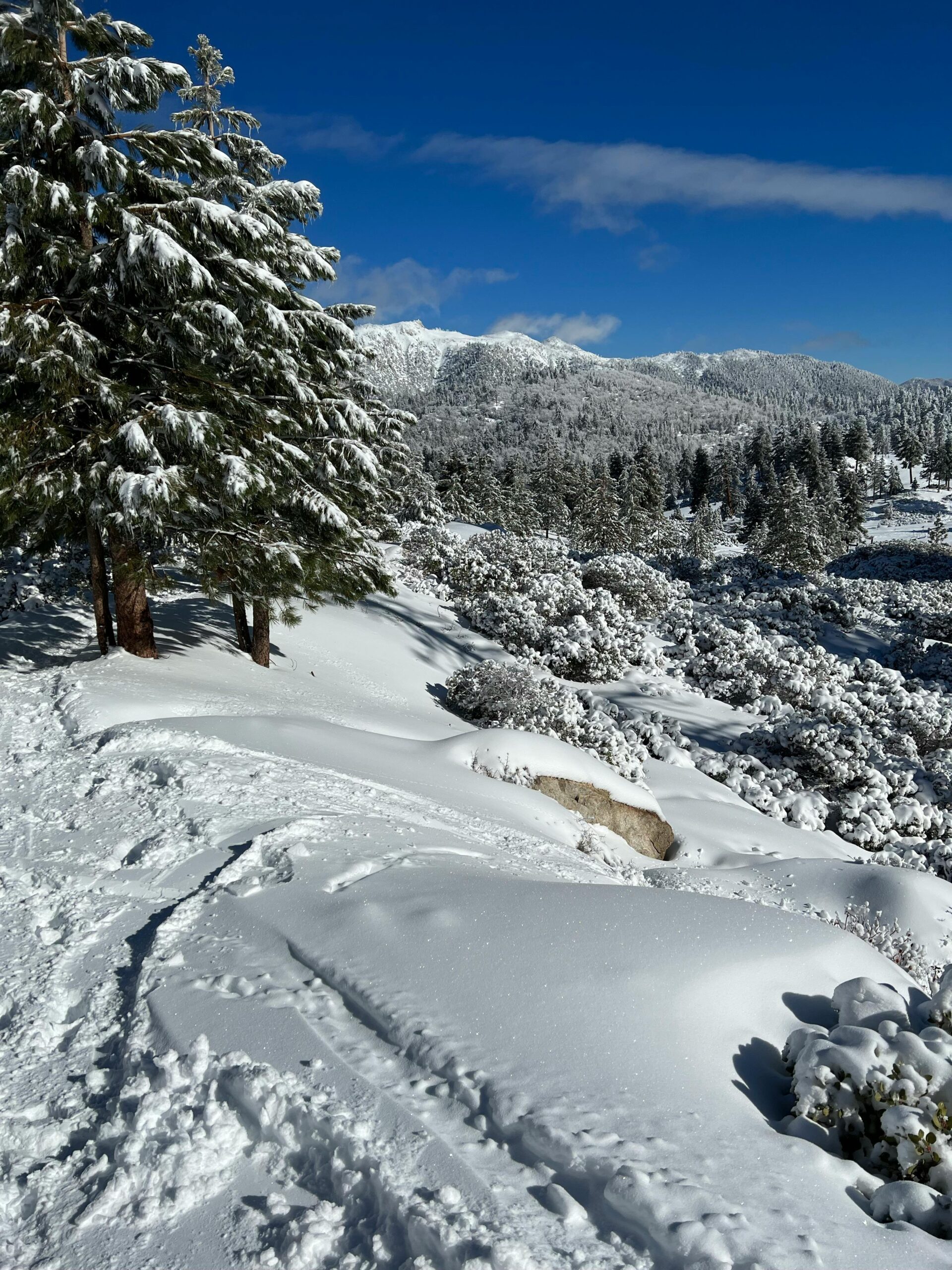
Power outages are a normal part of life, which is why many full-time residents agree that backup power in Lake Arrowhead is a necessity.
Backup power doesn’t have to be extreme or expensive, but having something in place can make outages far less stressful, especially if you work remotely or live here year-round.
This guide walks through the backup power options residents actually use, what they’re good for, and how to think about choosing the right setup.
This post includes affiliate links. If you purchase through these links, I may earn a small commission at no extra cost to you.
Why Backup Power Matters in Lake Arrowhead
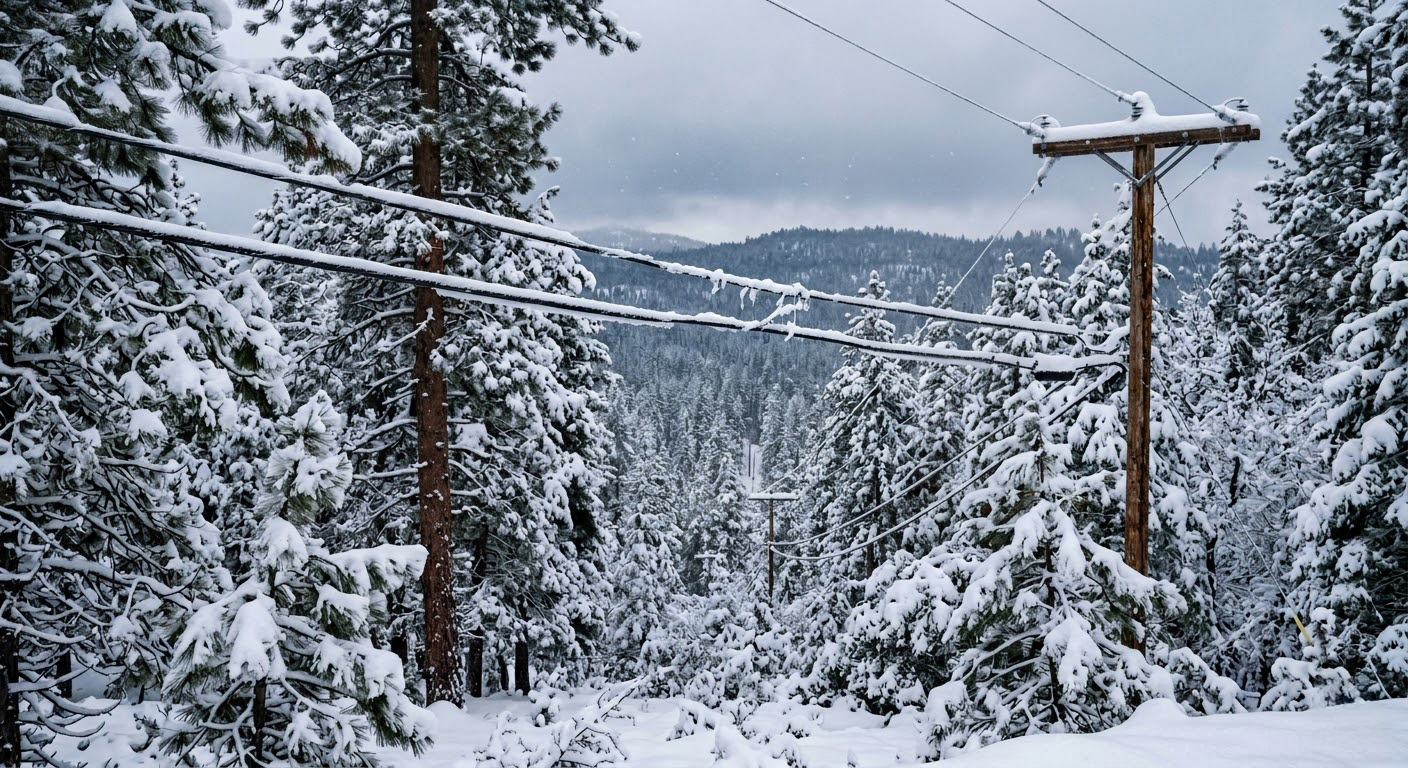
Outages are most common during:
- Winter storms and heavy snow
- High winds
- Fire-related safety shutoffs
They can last anywhere from a few hours to over a day. During that time, heat, internet, refrigeration, and phone charging can all be affected.
For many people, backup power is less about convenience and more about maintaining basic routines.
Battery Backups: The Most Common Starting Point
Battery backups are where many residents begin.
These are typically used for:
- Modems and routers
- Phones and laptops
- Lamps or small electronics
They’re quiet, easy to use, and require very little maintenance. Battery backups won’t power a full home, but they can keep you connected for several hours during shorter outages.
For remote workers, this is often the minimum setup.
Portable Generators: Flexible but Hands-On
Portable generators are widely used in Lake Arrowhead.
They can power:
- Refrigerators
- Space heaters
- Select outlets
- Internet equipment
They require fuel, ventilation, and manual setup, which means planning ahead. During storms, running a generator may depend on safe access and weather conditions.
Many residents use portable generators as a secondary layer, not a sole solution.
Whole-Home Generators: Peace of Mind for Full-Time Living
Whole-home generators are less common but popular among full-time residents who want minimal disruption.
They automatically kick on during outages and can power:
- Heating systems
- Refrigeration
- Lighting
- Internet and office equipment
Installation costs are higher, but they offer the most seamless experience. For some households, this is a long-term investment rather than an immediate necessity.
Propane and Fuel Considerations
Many generators in Lake Arrowhead run on propane.
This ties backup power directly to:
- Propane tank size
- Refill timing
- Winter access
Running out of fuel during a storm can be difficult to resolve quickly. Residents with generators often monitor propane levels closely during colder months.
Fuel planning becomes part of everyday winter preparation.
What Most Residents Actually Do
Rather than choosing one solution, many residents layer systems.
A common approach includes:
- Battery backups for internet and phones
- A portable generator for refrigeration and heat
- Wi-Fi calling and mobile hotspots
This layered setup offers flexibility without the cost of a full-home system.
A small power bank is one of the most useful items to keep on hand during winter outages. Here’s a highly-rated option to make sure phones stay usable when power is out for several hours: https://amzn.to/4sxMjtw.
Backup Power and Remote Work
For people who work remotely, backup power planning is closely tied to internet and cell service.
Keeping a modem and router powered is often the priority, followed by laptop charging and lighting. Some residents schedule meetings or deadlines around known weather patterns.
Backup power doesn’t eliminate outages, but it gives you options.
Questions to Ask Before Choosing a Setup
Before investing in backup power, consider:
- How often outages happen in your area
- How long they typically last
- What systems you actually need to run
- Where equipment can be safely stored or operated
There is no single right setup, only what fits your home and lifestyle.
Final Thoughts
Backup power in Lake Arrowhead is about resilience, not perfection.
Residents who plan for outages tend to feel calmer and more settled, even during winter storms or extended shutoffs. Starting small and adjusting over time is common and practical.
More owner-focused guides coming soon, including winter prep, emergency planning, and long-term full-time living considerations.

Jill is a Lake Arrowhead homeowner who moved from Los Angeles in 2017. She writes about the real, practical side of mountain living, from snowstorms and power outages to fire season prep and daily life on the mountain. When she’s not writing, she’s hiking local trails, doing ceramics, or reading by the fire.

Leave a Reply